
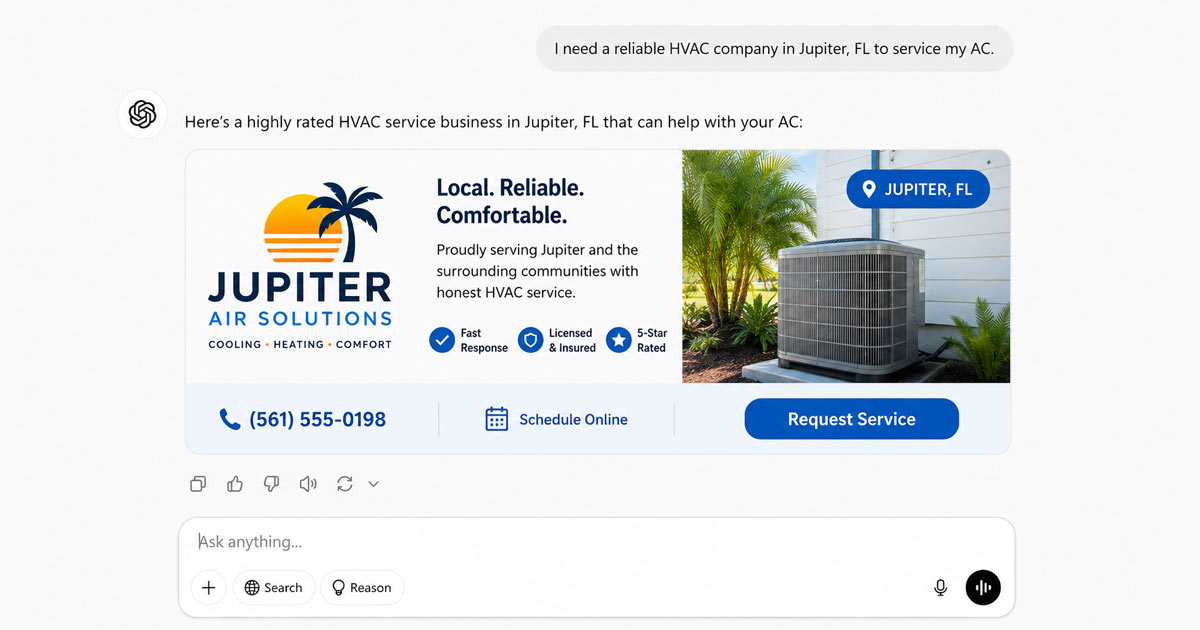
OpenAI is exploring new frontiers in digital advertising by integrating ads into AI-generated responses. This strategic move could redefine how users interact with AI while offering advertisers a unique, context-rich platform. As OpenAI navigates this new terrain, the potential for reshaping digital marketing is immense, especially in places like Jupiter, Florida. This article delves into the implications of OpenAI’s ad-driven strategy and its potential impact on the digital landscape.
What is OpenAI’s Ad-Driven Strategy?
OpenAI is venturing into the advertising realm by considering the integration of ads within AI-generated responses. This strategy aims to create a new advertising channel that leverages the contextual nature of AI interactions. The focus is on developing ad formats and partnerships that align with user inquiries, potentially transforming how information is accessed and products are discovered.
Understanding the Strategy
The strategy involves embedding ads in a way that enhances user experience rather than detracting from it. OpenAI’s approach is to ensure that ads are contextually relevant and seamlessly integrated into the AI’s responses. This could offer advertisers a unique opportunity to reach users at the precise moment they are seeking information.
Why is OpenAI Exploring Ads in AI?
OpenAI’s exploration into ads is driven by the need to diversify revenue streams and address rising infrastructure costs. By incorporating ads, OpenAI can potentially tap into a lucrative market while maintaining the quality and trustworthiness of its AI models. This move also aligns with the broader trend of generative AI reshaping information discovery and product exploration.
The Revenue Perspective
Ads present a viable revenue model for OpenAI, complementing existing subscription and enterprise deals. As the demand for AI-driven solutions grows, monetizing through ads could become a significant revenue source, supporting further innovation and development within the company.
How Could This Strategy Impact Digital Marketing?
OpenAI’s ad-driven strategy could revolutionize digital marketing by introducing a highly contextual advertising channel. This approach could challenge traditional digital advertising models, offering new metrics and formats that differ from conventional methods. The integration of ads in AI responses could also influence user engagement and trust, necessitating careful implementation.
Potential Challenges and Opportunities
While the strategy offers exciting opportunities, it also presents challenges in terms of user acceptance and trust. Advertisers and marketers will need to adapt to new formats and metrics, while OpenAI must ensure that ads do not compromise the integrity of AI interactions. Successful integration could set a new standard for digital advertising.
Where Does OpenAI Stand in the Market?
OpenAI is positioning itself as a pioneer in the AI and advertising space, potentially competing with established digital giants. By leveraging its advanced AI capabilities, OpenAI aims to carve out a niche in the market, offering advertisers a unique platform that combines AI’s contextual power with targeted advertising.
Market Position and Competition
OpenAI’s move into advertising places it in direct competition with major players like Google and Meta. However, its focus on AI-driven contextual advertising sets it apart, offering a distinct value proposition. As the market evolves, OpenAI’s innovative approach could redefine competitive dynamics in digital advertising.
When Will Ads Be Integrated into ChatGPT?
While OpenAI is actively exploring ad integration, the timeline for public testing and implementation remains uncertain. The company is taking a cautious approach, prioritizing user experience and trust. As internal planning progresses, the transition to public testing will be closely monitored to ensure transparency and user acceptance.
Next Steps in Implementation
OpenAI is likely to begin with controlled testing phases, gathering feedback and refining ad formats before a broader rollout. This methodical approach aims to balance innovation with user satisfaction, ensuring that ads enhance rather than disrupt AI interactions.
Frequently Asked Questions About Ads in ChatGPT
How will OpenAI ensure ads don’t disrupt user experience?
OpenAI plans to integrate ads in a way that complements the AI-generated content, prioritizing contextual relevance. By focusing on user-centric design, OpenAI aims to maintain the quality of interactions while introducing ads. This approach involves careful testing and feedback to ensure that ads enhance rather than detract from the user experience.
What types of ads might be featured in AI responses?
The ads considered for integration are likely to be highly contextual, aligning with the user’s query and the AI’s response. This could include product recommendations, service suggestions, or informational content relevant to the user’s needs. The goal is to provide value through advertising, making it a natural extension of the AI interaction.
Will users have control over ad visibility in ChatGPT?
While specific details are still under development, OpenAI is expected to offer some level of user control over ad visibility. This could involve options to customize ad preferences or opt-out features to ensure user comfort. Transparency and user empowerment are likely to be key considerations in the ad integration process.
How might this strategy affect trust in AI-generated content?
The integration of ads into AI responses raises important questions about trust and credibility. OpenAI is aware of these concerns and is committed to maintaining transparency and clarity in ad labeling. By ensuring that ads are clearly identified and contextually relevant, OpenAI aims to preserve user trust while introducing new revenue streams.
What are the potential benefits for advertisers?
For advertisers, OpenAI’s strategy offers a unique opportunity to reach users in a highly targeted and contextual manner. By embedding ads within AI interactions, advertisers can engage users at the moment of inquiry, potentially increasing engagement and conversion rates. This innovative approach could redefine advertising effectiveness in the digital age.
What Are the Key Takeaways?
This section summarizes the main points of OpenAI’s ad-driven strategy, highlighting its potential impact on digital marketing and user interactions.
- OpenAI is exploring ad integration within AI-generated responses to diversify revenue streams.
- This strategy could transform digital marketing by offering a new, context-rich advertising channel.
- OpenAI’s cautious approach prioritizes user experience and trust, with ads designed to be contextually relevant.
- The move positions OpenAI as a potential competitor to major digital advertising platforms.
- Successful implementation could set new standards for digital advertising and AI interactions.
OpenAI’s ad-driven strategy represents a significant shift in digital advertising, with the potential to redefine how users interact with AI and discover products. By prioritizing user experience and contextual relevance, OpenAI aims to create a valuable platform for both users and advertisers.
How Will This Shape the Future of AI and Advertising?
OpenAI’s exploration of ad integration within AI responses signals a transformative moment for both AI and digital advertising. By offering a new, context-rich channel for advertisers, OpenAI is poised to redefine the landscape of digital marketing. As the strategy unfolds, it will be essential for stakeholders to adapt to new formats and metrics, ensuring that the integration of ads enhances user experience and maintains trust in AI interactions.
For those interested in leveraging this innovative approach, Riley Summers Marketing Group is ready to assist with strategic insights and implementation support. Contact us today to learn more about how we can help you navigate this evolving digital frontier.

About The Author
Mark Riley is a marketing executive and the founder of Riley Summers Marketing Group, where he leads customer acquisition strategy for home services businesses across paid search, Google Local Services Ads, local SEO and paid social media. He rose to VP of Digital at a national legal-marketing agency, where the digital programs he led generated a significant share of its revenue. Over a 15+ year career, he has managed more than $70 million in digital advertising spend, much of it in one of the most expensive and competitive advertising categories in North America. He measures marketing by what it costs to win a booked job, not by traffic or lead volume.