
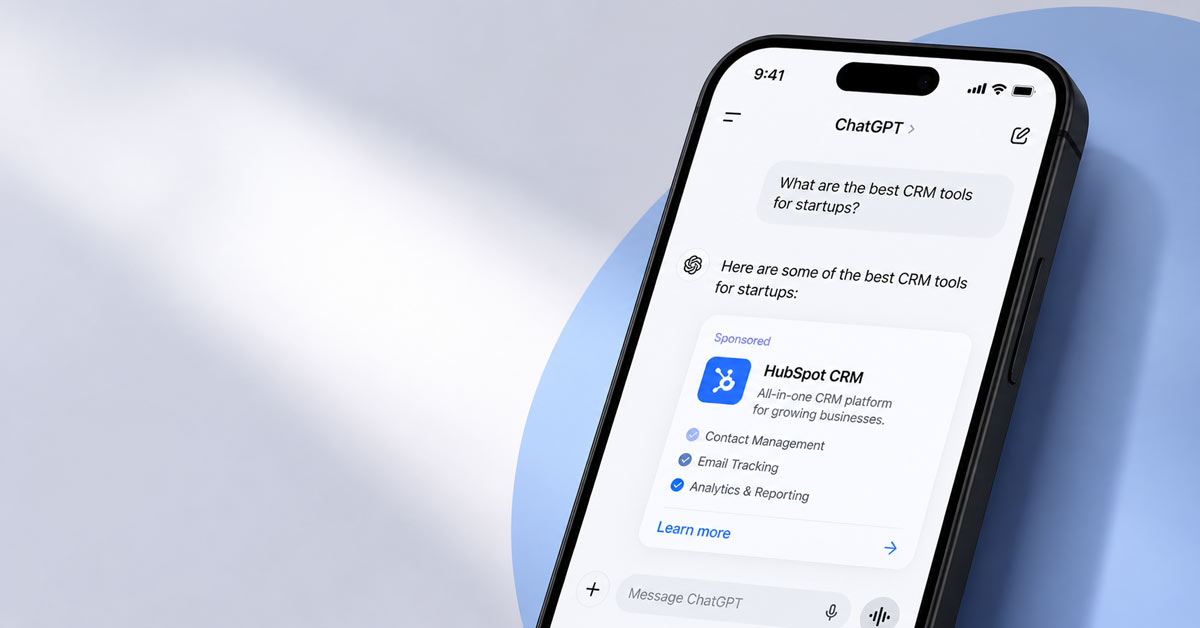
As digital advertising continues to evolve, ChatGPT ads are emerging as a promising new format. Launched in February for U.S. users, these ads are already making waves with over 600 advertisers participating. With a global rollout on the horizon, understanding the nuances of ChatGPT ads is essential for businesses looking to stay ahead. In this article, we’ll explore what the data reveals about these ads, how they differ from traditional formats, and what strategies can help you succeed in this new landscape.
What Are ChatGPT Ads?
ChatGPT ads are a novel advertising format integrated within AI-driven conversation platforms. These ads appear inline with conversational responses, providing users with relevant sponsored results based on their inquiries. Unlike traditional search ads, ChatGPT ads are designed to engage users who are already in the process of making a decision, offering a streamlined format with a headline, short body copy, and a destination link.
How Do ChatGPT Ads Differ from Traditional Ads?
Unlike traditional ads, ChatGPT ads are embedded within conversational responses, making them less intrusive and more contextually relevant. They lack the additional elements like sitelinks or extensions found in search ads, focusing instead on concise messaging. This format requires advertisers to craft messages that resonate within the context of a user’s query, often leading to higher engagement rates.
Why Are ChatGPT Ads Important for Your Business?
ChatGPT ads represent a unique opportunity for businesses to engage with potential customers in a conversational environment. As users interact with AI to seek information, these ads can influence decisions at a key moment in the buying process. Businesses that leverage this format can gain a competitive edge by reaching users who are already primed for conversion.
Where Are ChatGPT Ads Currently Available?
Currently, ChatGPT ads are available to users in the United States, with plans to expand to Australia, New Zealand, and Canada. This limited rollout allows advertisers to test and refine their strategies before the format becomes available globally. As the rollout progresses, more regions will have access to this innovative advertising channel.
When Will ChatGPT Ads Expand Globally?
While ChatGPT ads are currently limited to select regions, a global expansion is anticipated. OpenAI has confirmed plans to extend availability to additional countries, with the UK potentially seeing ads as early as mid-May. This expansion will open new markets for advertisers, offering fresh opportunities to engage with international audiences.
What Strategies Can Optimize Your ChatGPT Ads?
To optimize ChatGPT ads, businesses should focus on crafting messages that align with the conversational nature of the platform. Leading with the brand name and anchoring value in specific offers can enhance engagement. Additionally, understanding competitive dynamics and monitoring ad performance through tools like Adthena’s ChatGPT Ads Intelligence can provide valuable insights for refining campaigns.
Frequently Asked Questions
How do ChatGPT ads enhance user engagement?
ChatGPT ads enhance user engagement by appearing within the context of a conversation, making them more relevant and less intrusive. Users interacting with AI are often seeking specific information, and a well-placed ad can provide the solution they need, leading to higher engagement and conversion rates.
What are the benefits of using ChatGPT ads over traditional ads?
ChatGPT ads offer several benefits over traditional Google Paid ads for Jupiter businesses, including increased contextual relevance and the ability to engage users who are already in a decision-making process. This format allows for more personalized messaging, which can lead to higher engagement and conversion rates compared to traditional search ads.
How can businesses prepare for the global rollout of ChatGPT ads?
Businesses can prepare for the global rollout of ChatGPT ads by familiarizing themselves with the format and testing their strategies in regions where the ads are currently available. By understanding the nuances of this advertising channel and optimizing their messaging, businesses can position themselves for success as the format becomes available in new markets.
What challenges do advertisers face with ChatGPT ads?
Advertisers face challenges with ChatGPT ads, such as the need to create concise and contextually relevant messages. Additionally, the lack of traditional ad elements like sitelinks requires advertisers to focus on the core message. Understanding competitive dynamics and optimizing ad performance are also essential for success.
How does Adthena’s ChatGPT Ads Intelligence benefit advertisers?
Adthena’s ChatGPT Ads Intelligence provides advertisers with valuable insights into ad performance, competitor activity, and market trends. By offering tools to analyze ad presence, performance by intent group, and competitor strategies, advertisers can make informed decisions to optimize their campaigns and gain a competitive edge.
What is the “Double Parked” phenomenon in ChatGPT ads?
The “Double Parked” phenomenon refers to the occurrence of a single brand appearing twice in the same ChatGPT response. This can enhance brand visibility and frequency, allowing advertisers to dominate the conversation and increase the likelihood of user engagement.
How can businesses measure the success of their ChatGPT ads?
Businesses can measure the success of their ChatGPT ads by tracking metrics such as impressions, click-through rates, and ad presence rate. Utilizing tools like Adthena’s ChatGPT Ads Intelligence can provide deeper insights into performance and help identify areas for improvement and optimization.
What role does user intent play in ChatGPT ad success?
User intent plays a essential role in ChatGPT ad success, as the ads are designed to appear in response to specific queries. Understanding and aligning with user intent allows advertisers to craft messages that resonate with users, increasing the likelihood of engagement and conversion.
Key Takeaways
In this section, we summarize the main points discussed, highlighting the unique benefits of ChatGPT ads and the strategies for optimizing their use. These takeaways provide a concise overview of how businesses can leverage this innovative format to enhance their advertising efforts.
- ChatGPT ads offer a unique, conversational ad format that enhances user engagement.
- Understanding the nuances of this format is essential for optimizing ad performance.
- Adthena’s ChatGPT Ads Intelligence provides valuable insights for advertisers.
- Global expansion of ChatGPT ads presents new opportunities for businesses.
- Riley Summers Marketing Group can assist in maximizing the potential of ChatGPT ads.
In summary, ChatGPT ads represent a significant shift in digital advertising, offering businesses a new way to engage with users – we actually include it in our Search Intelligence marketing strategy. By understanding the format and leveraging tools like Adthena, advertisers can optimize their strategies and achieve better results.
How Can Riley Summers Marketing Group Help You?
Riley Summers Marketing Group is your partner in navigating the dynamic world of ChatGPT ads. With our expertise, we can help you craft effective campaigns that resonate with your audience. Reach out to us today to learn how we can elevate your advertising efforts and drive success in this innovative space.

About The Author
Mark Riley is a marketing executive and the founder of Riley Summers Marketing Group, where he leads customer acquisition strategy for home services businesses across paid search, Google Local Services Ads, local SEO and paid social media. He rose to VP of Digital at a national legal-marketing agency, where the digital programs he led generated a significant share of its revenue. Over a 15+ year career, he has managed more than $70 million in digital advertising spend, much of it in one of the most expensive and competitive advertising categories in North America. He measures marketing by what it costs to win a booked job, not by traffic or lead volume.