
Storm Demand & Advertising Capacity
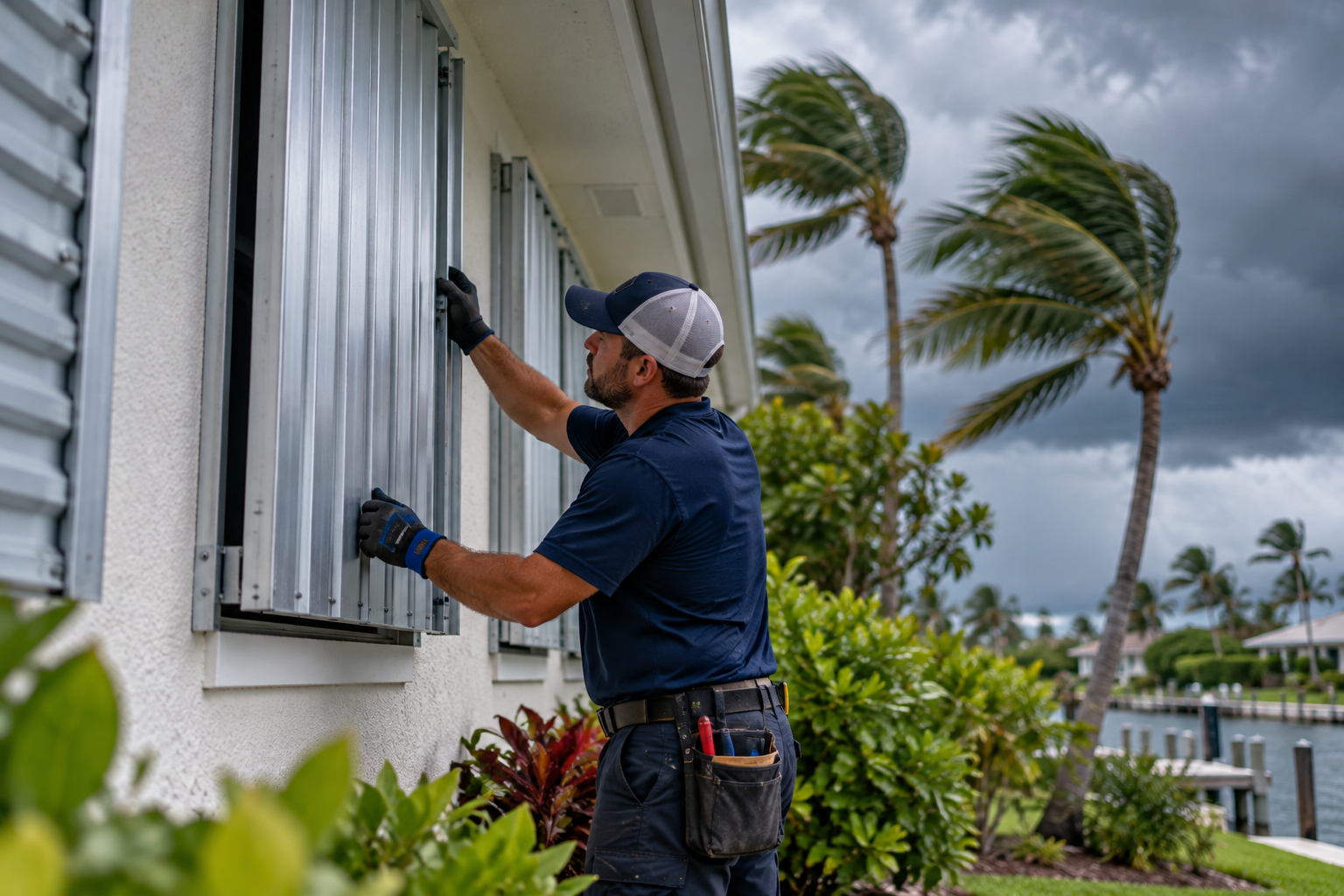
Storm demand and advertising capacity is the balance a Florida home services business has to strike after a storm, when the calls can outnumber what its crews can handle. Damage tends to concentrate in a few counties, crews and travel time are fixed, and out-of-state contractors arrive to compete for the same work. At Riley Summers, we treat where to advertise and how much to spend as one decision. Before a storm, we agree with the owner that they’ll tell us as soon as the schedule starts to fill. Until then, campaigns run at full strength in the damaged areas the business can reach, closest first. When the owner tells us they’re nearly full, we narrow the targeting and pull back the budget, so the business wins work it can deliver rather than leads it can’t serve.
On this page
- Why Capacity Becomes the Limit
- Where We Advertise After a Storm
- How Much We Spend
- What It Means for the Business
- Related Resources
Why Capacity Becomes the Limit
On a normal week, the question for most home services businesses is how to get more calls. After a Florida storm, for a few weeks, the question can flip: the business has more calls than its crews can answer, and the limit is crews, not leads.
Damage is concentrated. A storm rarely damages a whole region evenly. The worst damage tends to fall in a band along the storm’s path, and federal disaster declarations designate affected counties individually. A business can have its own service area badly hit while the next county over is barely touched.
Crews and travel time don’t stretch. A business has the crews it has. After a storm, roads may be blocked, traffic is heavier, and each job can take longer than usual. Every extra mile of travel takes time from jobs the crew could be doing closer to home.
Competition arrives from outside. Contractors from other parts of Florida and other states follow storms in, advertising for the same work. The local business is competing for attention at the moment it has the least spare capacity.
Leads the business can’t serve still cost money. After a storm, a lead from an area the crews can’t reach, or one that arrives after the schedule is full, still costs ad spend and staff time, and leaves a customer who called for help without it. That’s why storm campaigns are built around reach and capacity, not volume alone.
How Riley Summers helps: We plan storm advertising around what the business can deliver, not how many leads the market will produce. We target the damaged areas the crews can reach and adjust as soon as the owner tells us the schedule is filling.
Where We Advertise After a Storm
We don’t simply advertise across a storm’s path. We decide where the business can win and complete worthwhile jobs, by working through four questions in order.
1. Is it the right damage? Storm damage doesn’t create the same work for every business. A roofer wants wind damage, not flooding. A tree removal company wants fallen trees, and a water mitigation company wants water inside the home. We check official sources, including National Weather Service storm reports, federal disaster declarations and the Florida Division of Emergency Management, and switch on only where the damage matches the services the business offers.
2. Can the work happen there? Crews have to reach the property, and the customer has to be able to arrange the work. Areas that are still closed, without power or cell service, or largely evacuated stay off until that changes.
3. Is the work worth the drive? Nearer areas usually come first, because each job takes less travel time. But a concentration of the business’s most valuable work, such as roof replacements after a tornado, can justify a longer drive, even beyond the business’s normal service area, the way utility crews travel to wherever a storm hit hardest. Whether to go is a conversation we have with the owner. The aim is the best use of crews and budget, not the shortest drive.
4. Can the business handle it? Crews ready to work aren’t the same as people free to answer the calls. Before a storm, the owner agrees to tell us as soon as either is near its limit, and coverage grows only while the business can still answer and schedule the work.
How Riley Summers helps: Every area we switch on has passed all four questions, so the budget goes where the business can secure and complete jobs worth having.
How Much We Spend
Once we know where to advertise, the budget question is simple: spend at full strength while the business has room, and pull back the moment it doesn’t.
A storm budget agreed in advance. Some businesses come to us for storm campaigns alone. Others add a dedicated storm budget on top of their regular advertising. Either way, we estimate what the storm campaigns are likely to need, and the owner approves it, declines it, or tells us what they’re willing to spend.
Full strength until the owner says otherwise. Storm demand lasts weeks, not months, and the businesses that are visible first can win the early work. So once storm campaigns are on, they run at full strength in the areas that passed the four questions, within the budget the owner agreed. If keeping up would take more than that, we tell them what’s being left on the table, and the owner decides.
Pulling back without disrupting the rest. Storm campaigns run separately from the business’s core campaigns, so when the owner tells us they’re nearly full, we can narrow or pause storm campaigns without unsettling the campaigns that bring in the business’s everyday work. The outer areas come off first, then the budget comes down. Local Services Ads are paused while the business is full, so it isn’t paying for leads it can’t take.
When the schedule is full, the owner chooses. A full schedule after a storm usually leaves two options: pull the advertising back until there’s room, or keep taking work and book it further out. We lay out what each means for the advertising, and the owner decides. Some businesses also refer overflow work to another business they trust. In Mark Riley’s view, a full calendar isn’t a bad thing: referred work can earn a share of the job and builds a relationship that pays back later. Our national guide to Capacity & Marketing covers this in more depth.
How Riley Summers helps: We keep storm spend at full strength while the business can take the work, and bring it down as soon as the owner says the schedule is filling, so the budget goes to jobs the business can book.
Would your storm campaigns know when to stop?
Riley Summers will review your paid search campaigns and show you whether your storm targeting and budget are built around the work your business can actually deliver.
What It Means for the Business
After a storm, the business’s advertising works to its schedule rather than against it. The budget goes to the damaged areas where crews can do the work the business wants, and it comes back down as soon as the owner says the schedule is filling, so the business isn’t paying for leads it has to turn away.
Crews spend their time on productive jobs. They go first where travel is shortest, and further out only where the work justifies the drive, including beyond the usual service area when the owner wants it.
Storm work also brings in new customers the business can keep. Where the client provides its list of storm customers, we can use customer-list audiences to reach them again later with the business’s other services, such as maintenance, inspections or upgrades, so a one-off storm job can become a long-term customer.
Homeowners who call get an answer. Coverage grows only while there are people to answer the phones and schedule the work, which protects the business’s reputation at the moment homeowners are most wary of who they hire.
And storm advertising doesn’t have to be part of a bigger engagement. Some businesses come to us for storm campaigns alone, with a budget agreed before the storm and switched on only when it’s needed.
How Riley Summers helps: We match storm advertising to where the business can win the work and how much of it the business can take on, so a storm becomes booked jobs, not a flood of calls it can’t serve.
Related Resources

About The Author
Mark Riley is a marketing executive and the founder of Riley Summers Marketing Group, where he leads customer acquisition strategy for home services businesses across paid search, Google Local Services Ads, local SEO and paid social media. He rose to VP of Digital at a national legal-marketing agency, where the digital programs he led generated a significant share of its revenue. Over a 15+ year career, he has managed more than $70 million in digital advertising spend, much of it in one of the most expensive and competitive advertising categories in North America. He measures marketing by what it costs to win a booked job, not by traffic or lead volume.