
Advertising Through Hurricane Season
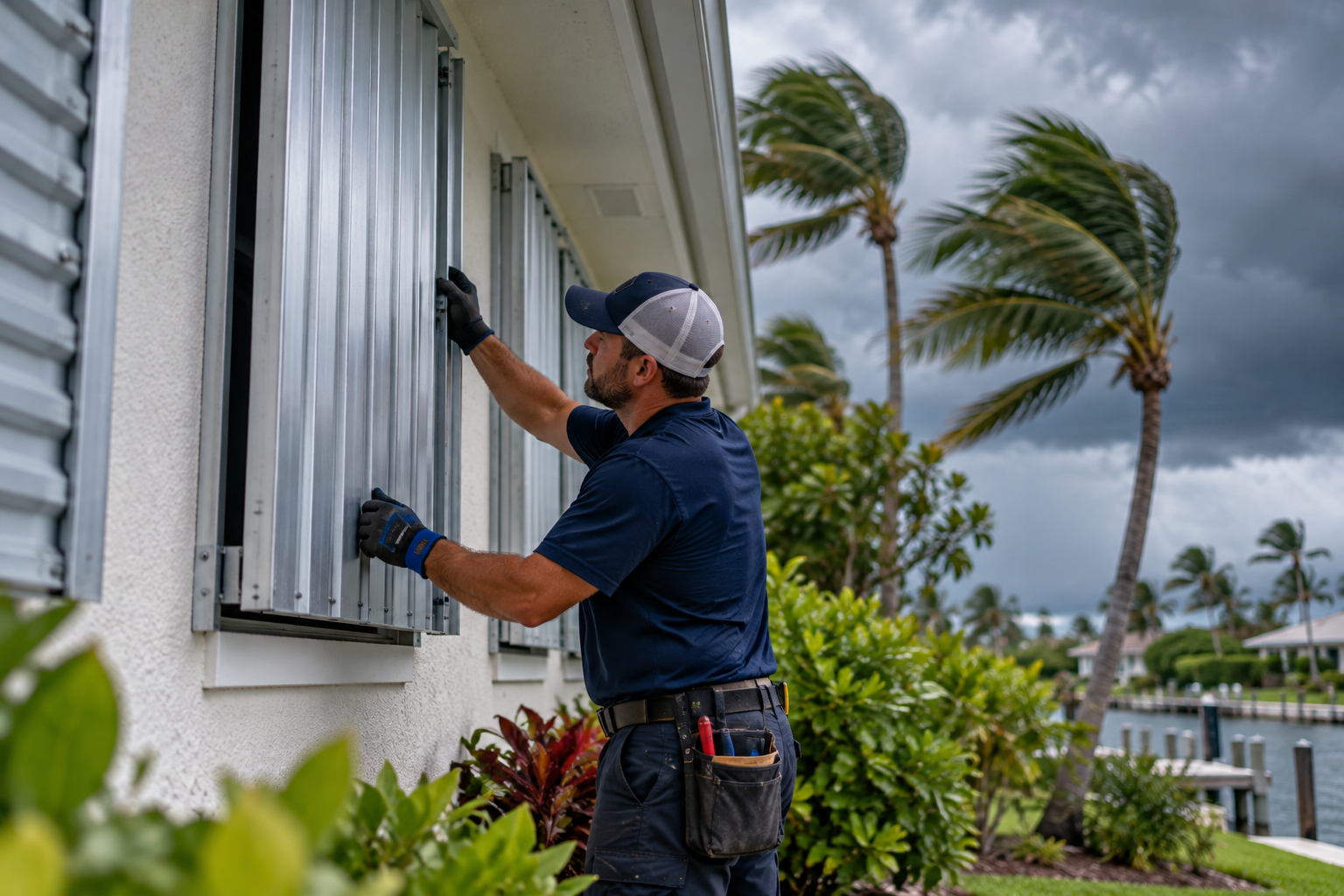
Advertising through hurricane season means planning a Florida home services business’s ads, listings and landing pages around a season that runs from June 1 to November 30 every year. Each storm moves through known stages: a watch about two days before the wind arrives, a warning about a day and a half before, then landfall and weeks of recovery. And many of the areas told to prepare are never hit. At Riley Summers, we change the advertising at each of those stages, from preparation services before a storm, where the business offers them, to emergency and repair work after it, and we turn storm campaigns on only where damage actually occurred and the business can take the work.
On this page
- Florida’s Season, Stage by Stage
- What Changes at Each Stage
- Florida Rules That Affect Storm Ads
- What It Means for the Business
- Related Resources
Florida’s Season, Stage by Stage
Every Florida home services business faces the same calendar. What changes from year to year is where the storms go.
A six-month season, every year. The Atlantic hurricane season runs from June 1 to November 30. A business might see no storms in a season or several, but it plans for every season.
A known lead time. The National Hurricane Center issues a hurricane watch about 48 hours before tropical-storm-force winds are expected, and a warning about 36 hours before. That’s a short window, and in Mark Riley’s paid search work, it was used to get campaigns ready rather than to spend: searches before a storm were light, and demand came after it.
Most threatened areas aren’t hit. The forecast cone shows the probable path of the storm’s center, sized so that about two-thirds of past forecast errors fall inside it. Much of the state may prepare for a storm whose center makes landfall in only one part of it. A business that switches on storm campaigns because a storm was forecast, rather than because it hit, spends in places with no storm work to win.
Demand that lasts for weeks. In Mark’s experience, storm-related campaigns ran for around six weeks after landfall. How long it lasts for a given trade depends on the damage, and on how quickly emergency work gives way to inspections and permanent repairs.
Owners who are away. Much of hurricane season falls before seasonal residents arrive in November, so many owners learn about damage from a distance and search from another state. We cover how we reach them in our Seasonal Residents guide.
How Riley Summers helps: Depending on the geographic area, we time landing page and campaign builds either ahead of the season or for when storm warnings are issued, and keep the campaigns paused. We switch them on only where the storm actually caused damage and the business can take the work. If it misses the area, they never run.
What Changes at Each Stage
The national Storm-Driven Service Marketing guide covers our general approach to storm work. Here’s how it plays out across a Florida storm.
| Stage | What we do |
|---|---|
| Before the season | In areas where we build ahead, we set up separate campaigns and landing pages for each storm service the business offers, such as tarping, water extraction, tree removal and repairs, and keep them paused. We check that the Google Business Profile’s hours, services and service area are accurate, and that the business’s LSA job types are current. |
| Watch or warning issued | Where campaigns weren’t built ahead, we build them now for the threatened area and keep them paused. We review ad copy for accuracy before anything goes live. For businesses that offer preparation work, such as shutters, generators or tree trimming, we can run short preparation campaigns. Searches before a storm tend to be light, so these stay small. |
| The storm passes | We wait for the damage to be known. If the storm missed the area, the campaigns never run. If the business has to close or change its hours, we update the Google Business Profile so customers aren’t calling a closed office. If the office phone lines are down, we can re-route the business’s call-tracking numbers to phones that are working, such as the owner’s or a technician’s cell phone, so calls from the ads still get answered. |
| The first days after | We switch on emergency campaigns only in the areas that were damaged and that the business can reach, with budget set to the capacity the owner gives us. Local Services Ads run where Google offers the job type, and pause when the business is full. Ads and landing pages show real availability and realistic response times. |
| The weeks after | Emphasis shifts from emergency work to inspections and permanent repairs, and targeting can widen to areas with lighter damage. Remarketing keeps the business in front of homeowners still arranging repairs, including owners who are out of state. In Mark Riley’s experience, this stage lasted around six weeks. |
| Demand settles | Storm campaigns wind down and are paused again for the next storm, and the budget returns to the business’s core campaigns. |
How Riley Summers helps: Each stage of a storm needs different advertising, and getting the timing wrong wastes budget or misses the work. We change the campaigns stage by stage, so the business spends when and where there’s work it can take on.
Florida Rules That Affect Storm Ads
After a storm, the rules on what a business can say and charge tighten. Two sets of rules shape what goes into storm advertising.
Florida’s price gouging law. Once the Governor declares a state of emergency, Florida law prohibits unconscionable prices in the affected area for goods and services needed because of the emergency. A price is presumed unconscionable if it shows a gross disparity from what the business charged in the 30 days before the declaration, unless the increase is down to the business’s own added costs or wider market trends. The rule applies for the length of the declaration. If a business advertises prices during that time, they have to stand up to that test.
Google’s sensitive events policy. During disasters, Google restricts ads that exploit the event, including price gouging and using keywords related to the event to drive more traffic. A business can advertise the storm services it offers. It can’t build campaigns around the storm’s name or around fear.
Licensing. Florida also treats unlicensed contracting more seriously during a declared emergency. We cover that, and how licensed businesses can stand apart from storm chasers, in our Trust & Verification After Storms guide.
How Riley Summers helps: We keep storm ads to the services the business offers, at prices it can stand behind, and we build campaigns on service searches, such as roof tarping or water extraction, rather than on the storm’s name. Where the business wants to advertise prices during an emergency, we use only the figures it confirms.
Would your campaigns be ready for the next storm?
Riley Summers will review your paid search campaigns and show you how they’d handle a Florida storm, from targeting and budget to the services and claims in your ads.
What It Means for the Business
Planning advertising around hurricane season gives a Florida home services business five things.
- No spend on storms that miss. Campaigns switch on only where damage actually occurred, so a near miss costs the business nothing.
- Campaigns ready when the work arrives. With campaigns and landing pages built ahead of the season or once warnings are issued, they can go live as soon as the damage is known, rather than starting from nothing after the storm.
- Work it can actually take on. Budget follows the capacity the owner sets, which we cover in Storm Demand & Advertising Capacity, so the phone doesn’t ring with jobs the crews can’t reach.
- Calls that still get answered. If office lines go down, call-tracking numbers can be re-routed to working phones, so calls from the ads still reach someone.
- A reputation that holds. Ads that stay within Florida’s price gouging law and Google’s policies help protect the business’s ad accounts and its standing with homeowners, at the moment trust matters most.
How Riley Summers helps: We plan Florida advertising around the whole hurricane season, so the business is ready when a storm hits, spends nothing when it misses, and comes through the recovery with its reputation intact.
Related Resources

About The Author
Mark Riley is a marketing executive and the founder of Riley Summers Marketing Group, where he leads customer acquisition strategy for home services businesses across paid search, Google Local Services Ads, local SEO and paid social media. He rose to VP of Digital at a national legal-marketing agency, where the digital programs he led generated a significant share of its revenue. Over a 15+ year career, he has managed more than $70 million in digital advertising spend, much of it in one of the most expensive and competitive advertising categories in North America. He measures marketing by what it costs to win a booked job, not by traffic or lead volume.